The Women’s Well-being Program formally began in 2013. Actually it evolved out of two of SWAN’s earlier programs that were established in 1999 (Health) and 2001 (Women’s Crisis Support). These two initiatives were developed to meet the needs of Shan women and children that were forced by the Burmese Army to abandon their homes in Shan State, Burma and flee for safety to the Thai-Burmese border region from 1996. Tens of thousands of Shan refugees eventually arrived in northern Thailand during this time, with many more individuals fled across the border from 2000-2005. In addition to emergency relief, these refugees needed access to basic health and other social services.
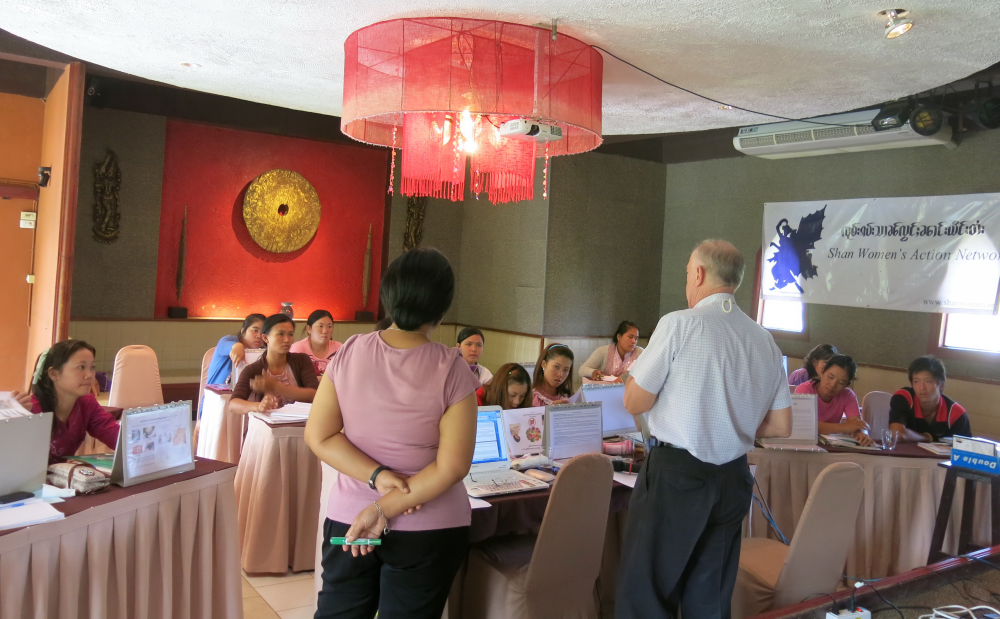
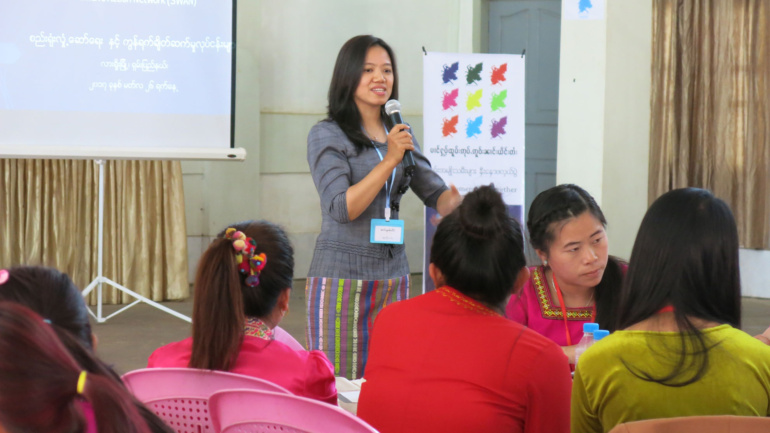
- Annual maternal and child health training for the health workers and special workshops covering topics requested by them.
- Implant training courses have been conducted and the trainees have provided almost 6,000 implant services to women living in rural/remote communities throughout Shan, Kachin, Karenni, Karen, and Mon States as well as the Tharyithanin Division. Implants and medical supplies are provided to the health workers to use in their local areas
- Training for local Traditional Birth Attendants (TBAs) by the SWAN health workers.
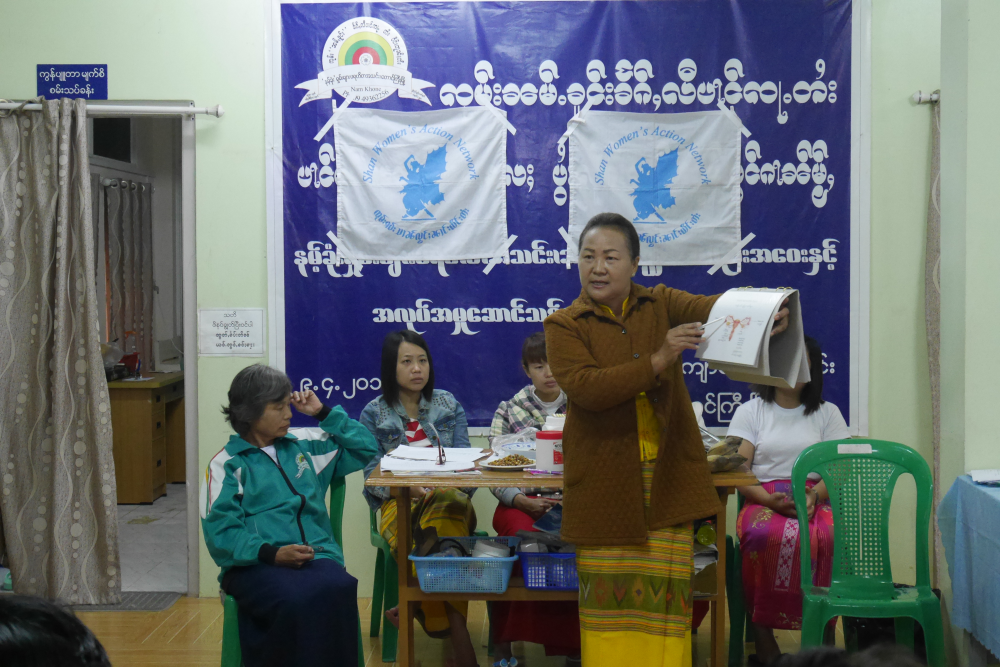
- Conducting village level basic and reproductive health educational sessions for married and unmarried women and men in the community aimed at preventing unwanted pregnancies as well as sexually transmitted infections.
- For the pregnant women’s groups, the topics mainly focus on how to have a healthy pregnancy and the do’s and don’ts for safe delivery. If it is a mixed group of men and women the topics focus on family planning, and how to take care of women’s and children’s health and nutrition. The sessions also include how to prevent seasonal diseases and provide an opportunity for villagers to have their general health questions answered.
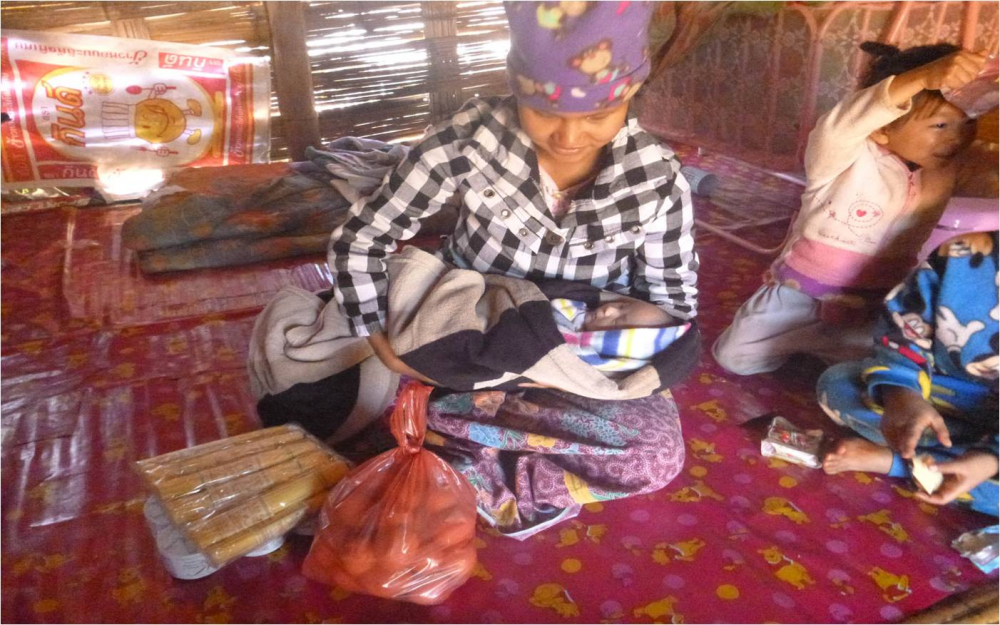
- Home visits to provide antenatal care, delivery support and postnatal care services.
- Working with the government health department for vaccination and Zinc and deworming tablets for pregnant women.
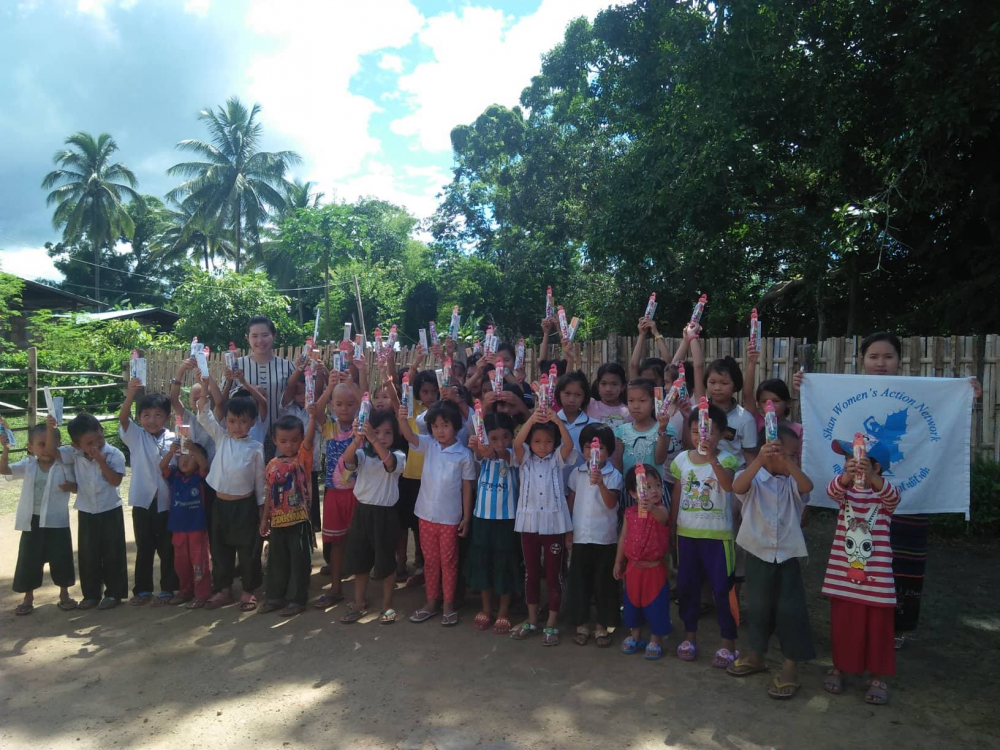
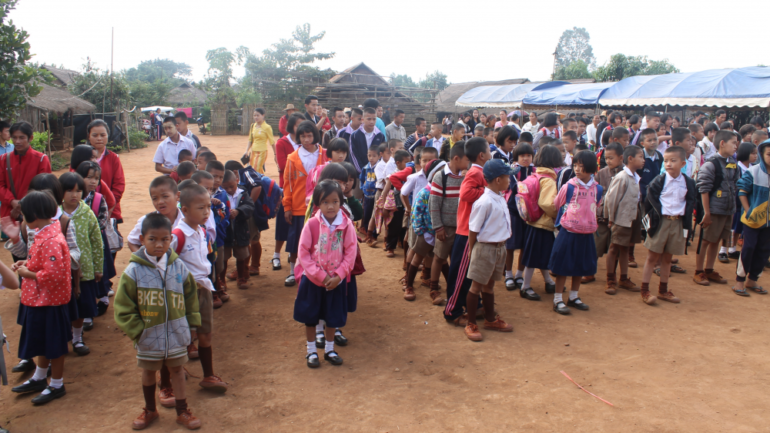
Visiting local schools to provide health education to teachers and students on personal hygiene, sanitation, oral health and the prevention of common illnesses
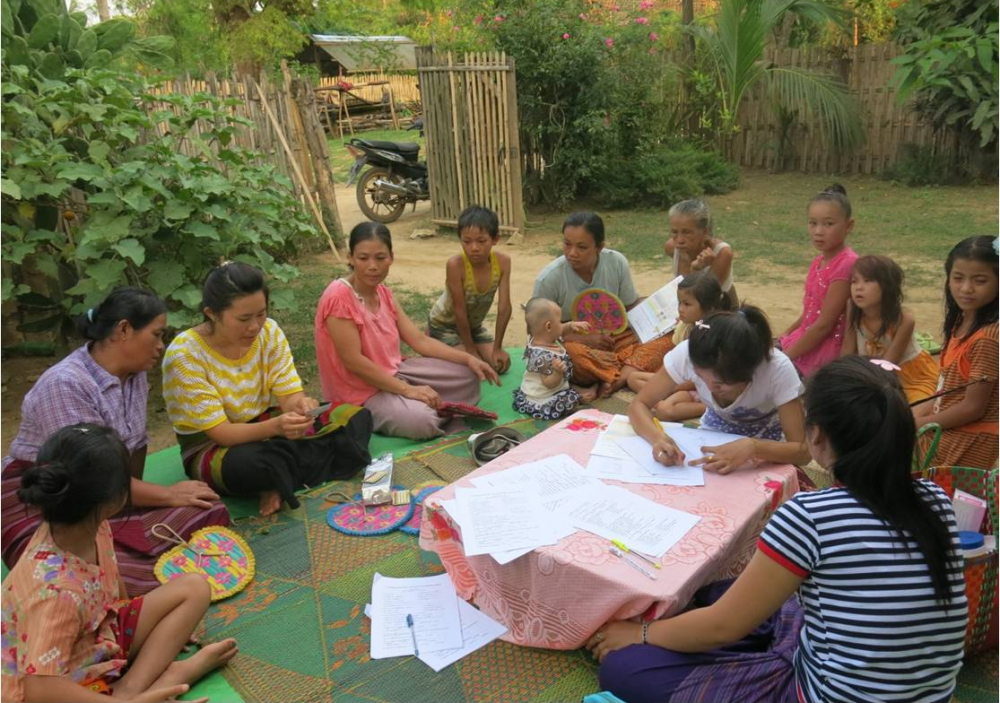
Conducting annual family planning and vital events surveys collecting data to assess local contraceptive prevalence rates, maternal mortality rates, crude birth and death rates, infant mortality rates and early childhood mortality rates.
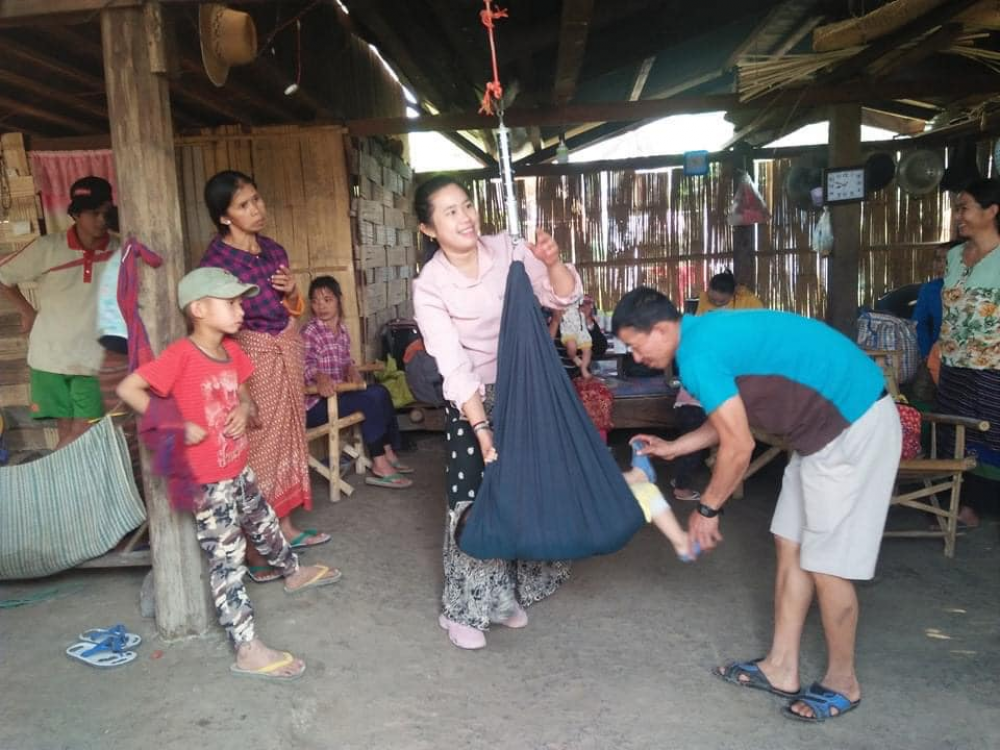
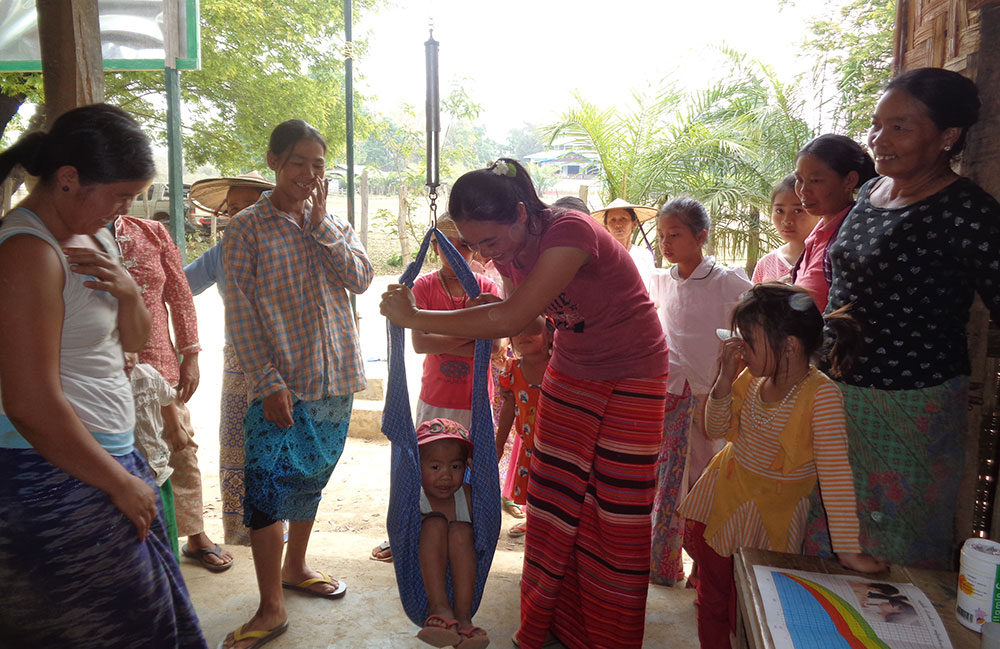
- Providing weighing sessions for children under 5 years of age in each village to check growth and development.
- Collecting data through weighing sessions for children under 5 years of age to identify the their nutritional state.
- Providing education on nutrition and the provision of supplements to those most malnourished.
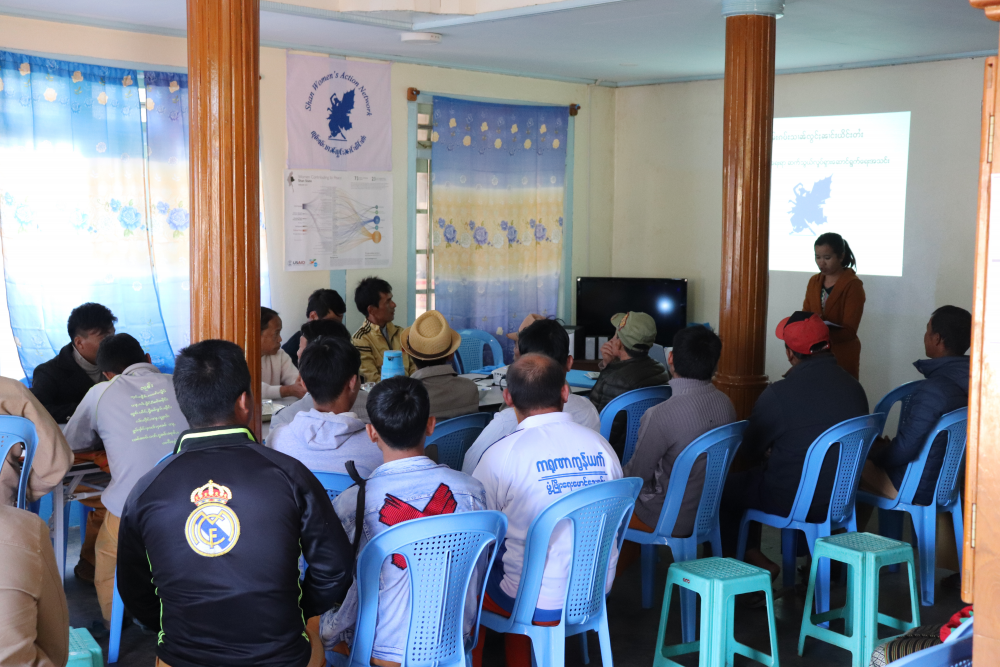
The specific objectives of this project are
- To improve community understanding of child rights and the need for child protection.
- To increase the proportion of eligible children in Loilem District who access basic education.
- To have mechanisms established in Loilem District to monitor and respond to the psychosocial needs of children and young people.