In 1996 the Burmese military regime undertook a massive campaign in Shan State, Burma, to forcibly relocate hundreds of thousands of villagers in Shan state. Thousands of people crossed the border into northern Thailand and many have remained there, given the ongoing instability in northeastern Myanmar.
Shan refugee children lacked basic educational opportunities in Thailand as the Shan were not officially recognized as refugees, and accordingly they were not offered the assistance available to other refugee groups. In response the Shan community organised basic literacy classes to meet the needs of displaced children. SWAN has been in the forefront of this movement since 1999 by setting up programs to strengthen existing informal educational activities. In 2000 the Jesuit Refugee Service (JRS) provided funding to help SWAN establish 6 informal schools for children and adults and conduct nursery school teacher training for Shan teachers.
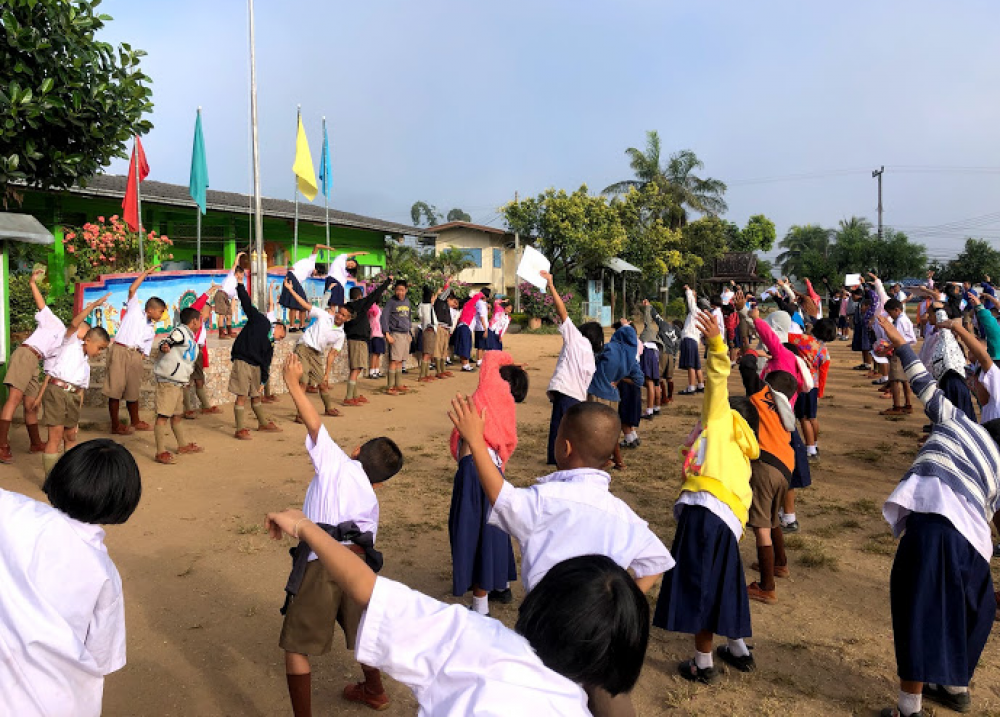
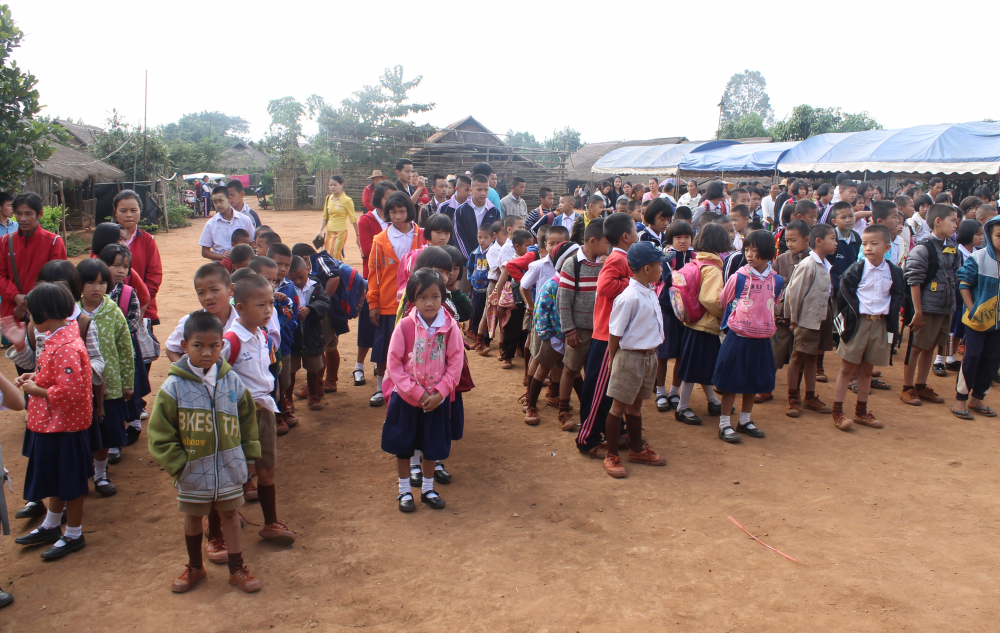
The Education Program supports 5 schools along the Thai-Burma border by providing salaries for the teachers, distributing learning resources, and offering healthy lunches for students as well as by providing funds for transportation to take students to and from school. This support is for 3 nursery schools and two primary schools in Piang Luang and Fang districts. The 3 nursery schools are community run, one primary school is a branch of a Thai school, and one is a Thai primary school with many migrant children. The children thus benefit from a Thai curriculum and accreditation.
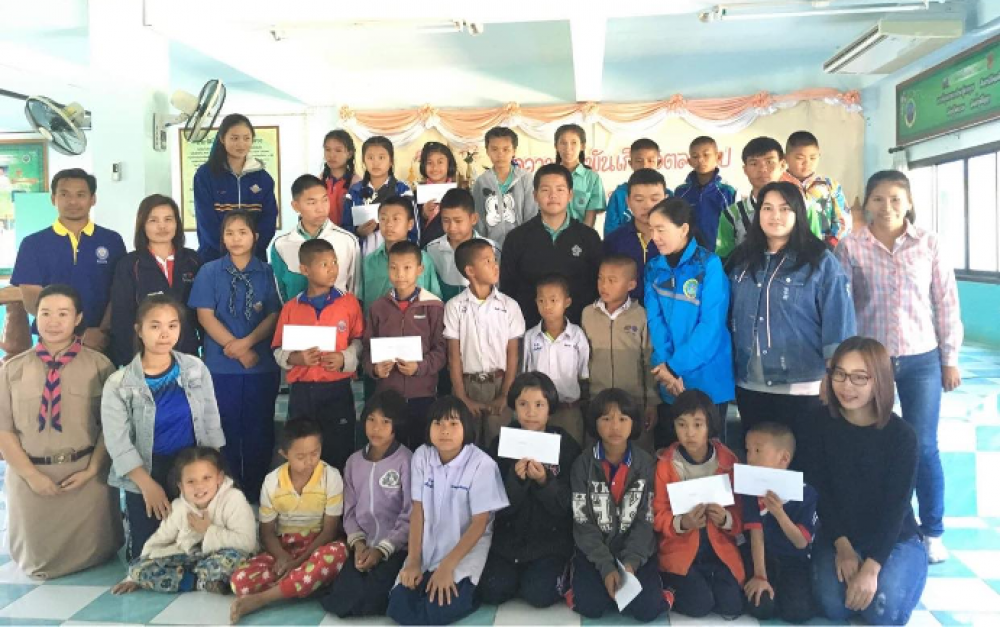
SWAN provides the scholarship for travel, lodging, food, fees of primary secondary and tertiary students who lack financial support. In 2020, 157 students have received scholarship, including 42 students whose parents are affected by HIV/AIDS, 15 orphans, and 20 students at Koung Jor boarding house.

SWAN supports a boarding house for children who require additional care, including those who have been orphaned or for children whose parents cannot afford to take care of them. Currently, SWAN is providing cook and food for 1 boarding house supporting 19 students (orphans, or HIV positive, or no financial support).
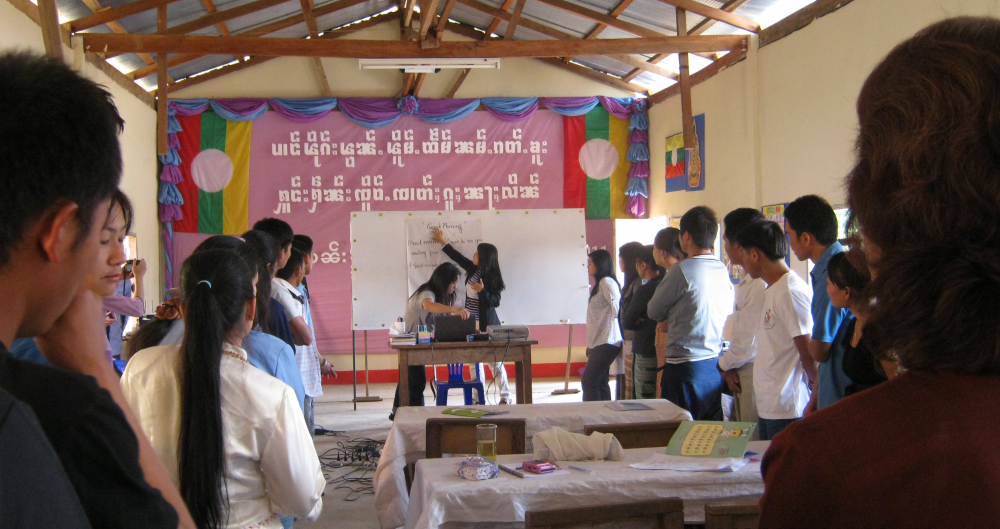
SWAN provides professional development for teachers. Special courses are regularly scheduled for approximately 20-30 teachers from the SWAN program. For most of the teachers this is their only opportunity to obtain refresher or continuing education. This is very important as many only graduated from high school and became volunteer teachers in their community, while others graduated from university in a range of subjects but have not received teacher training. Recently, the program has provided teacher training on child development, and distributed teaching materials (dictionary, notebooks, pens) to the teachers, and vocational education for 20 children with disabilities at a Thai secondary school.
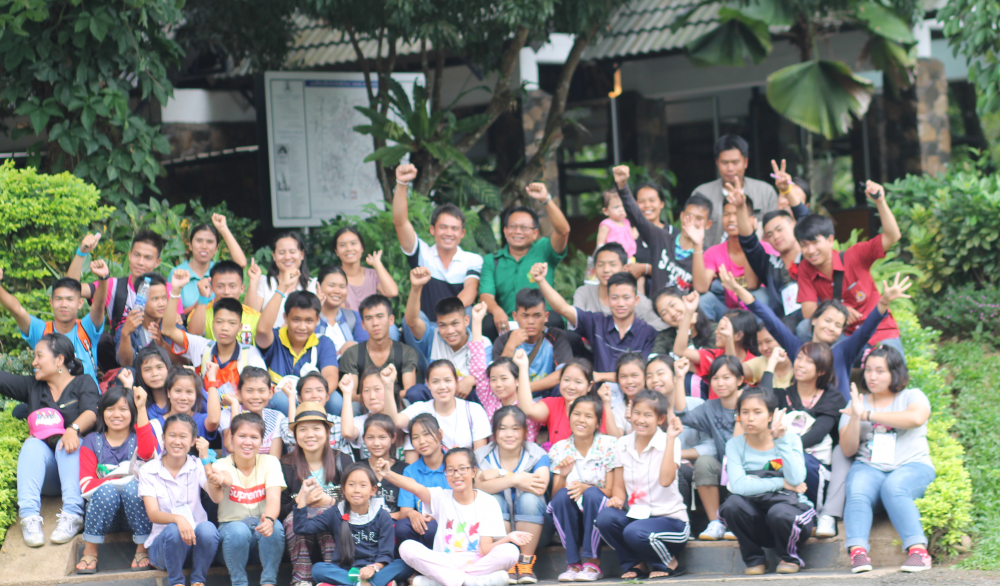
SWAN has organized a series of regular student exchanges, which allows adolescents from SWAN sponsored schools an opportunity to share their experiences regarding issues they face in their personal lives. The exchanges also provide a chance to celebrate their personal accomplishments. These exchanges have helped create a Shan adolescent network that works together to help their respective Shan communities.
During the period 2011 – 2019 the SWAN Education Program distributed 45,800 Shan text books in IDP areas along the Thai-Burma border and inside Burma in an effort to preserve the Shan language, culture, and history.