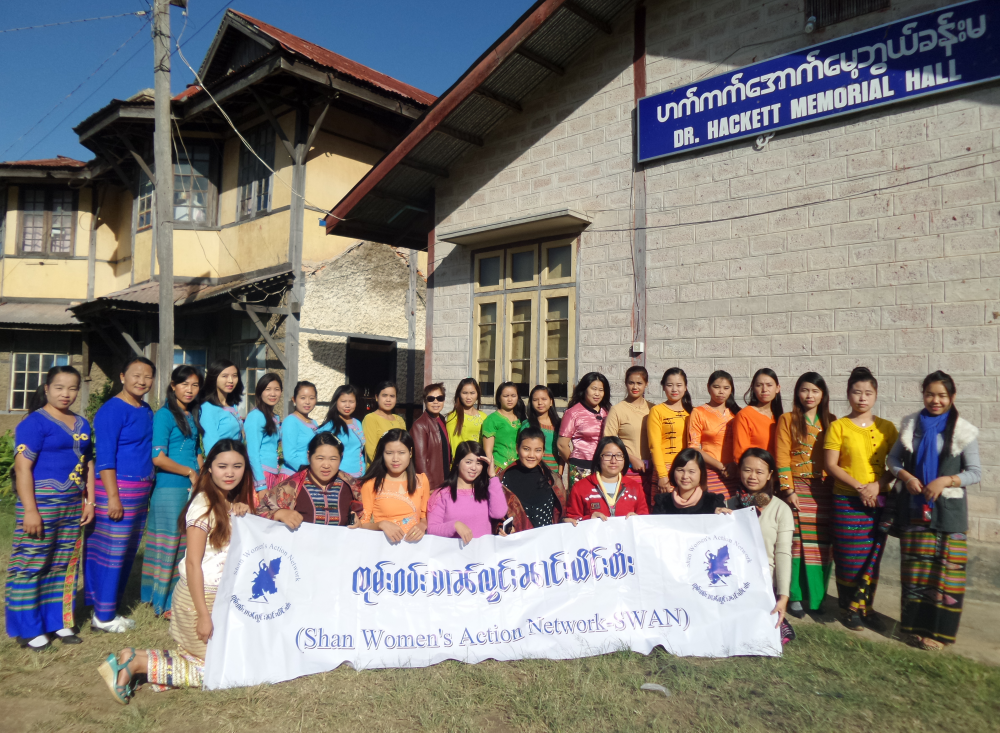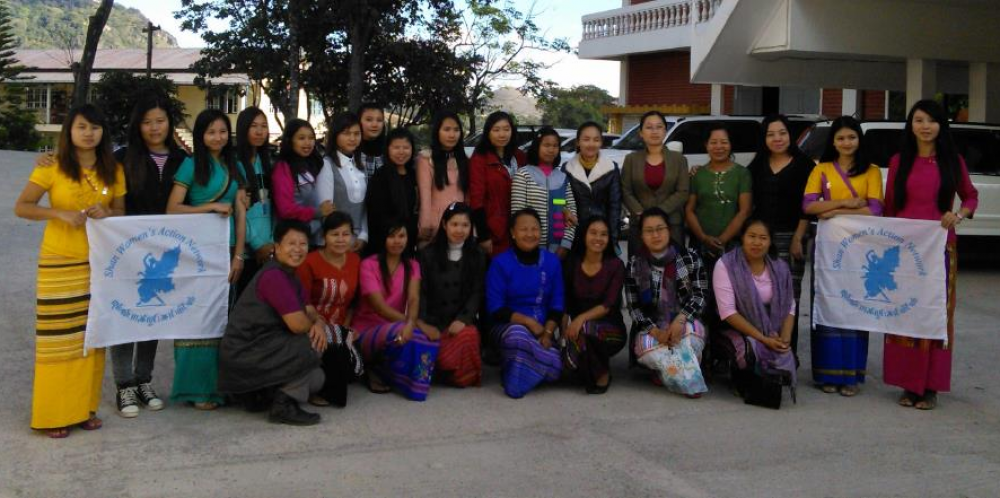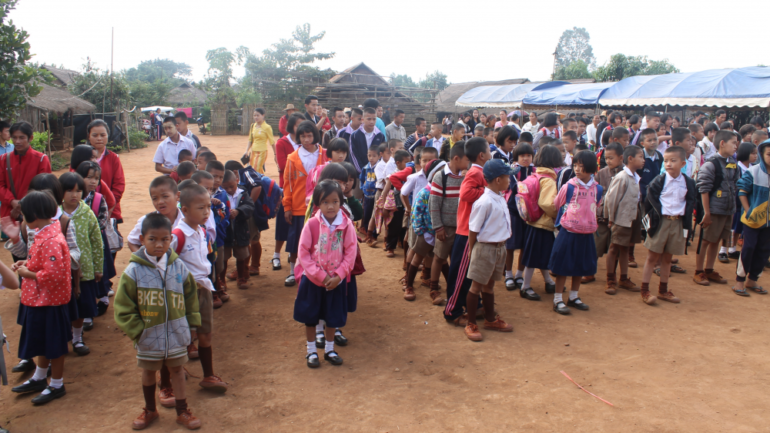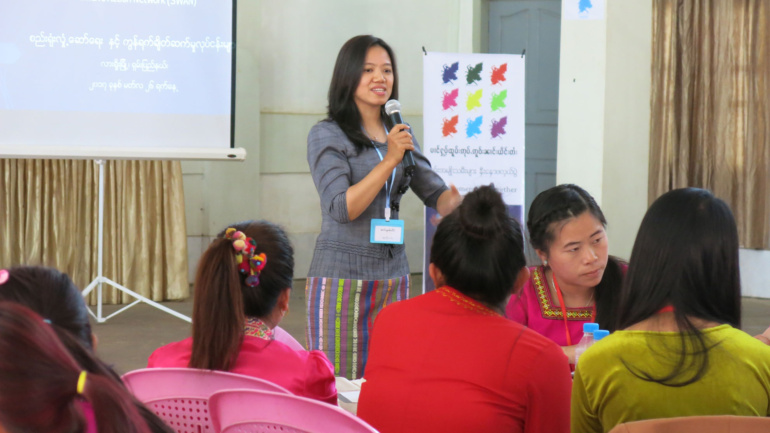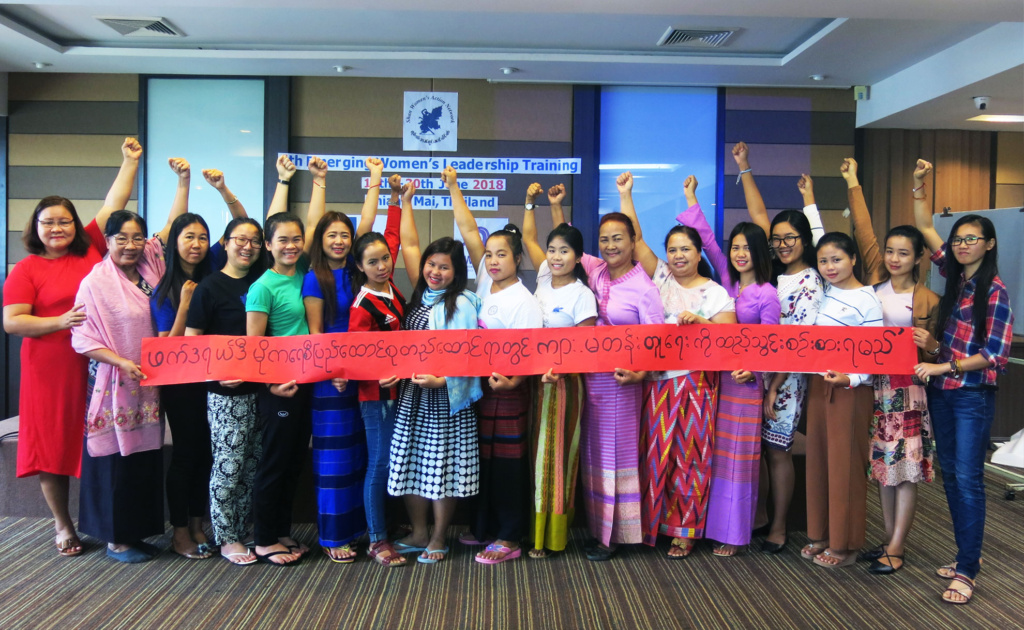
The Women’s Empowerment Program (WEP) seeks to challenge entrenched patriarchal misconceptions depicting women as inferior members of society. The program aims to increase gender equality in Shan communities affected by conflict, displacement and violence through responsive and effective women-led programming.
The program started in 1999 as in-house internship program for 2 young women from Shan State to build their capacity to run community-based programs. The Women’s Empowerment Program was formally set up by combining the Internship Program and a series of skills development workshops on women’s human rights after the first organizational review of SWAN in 2003.
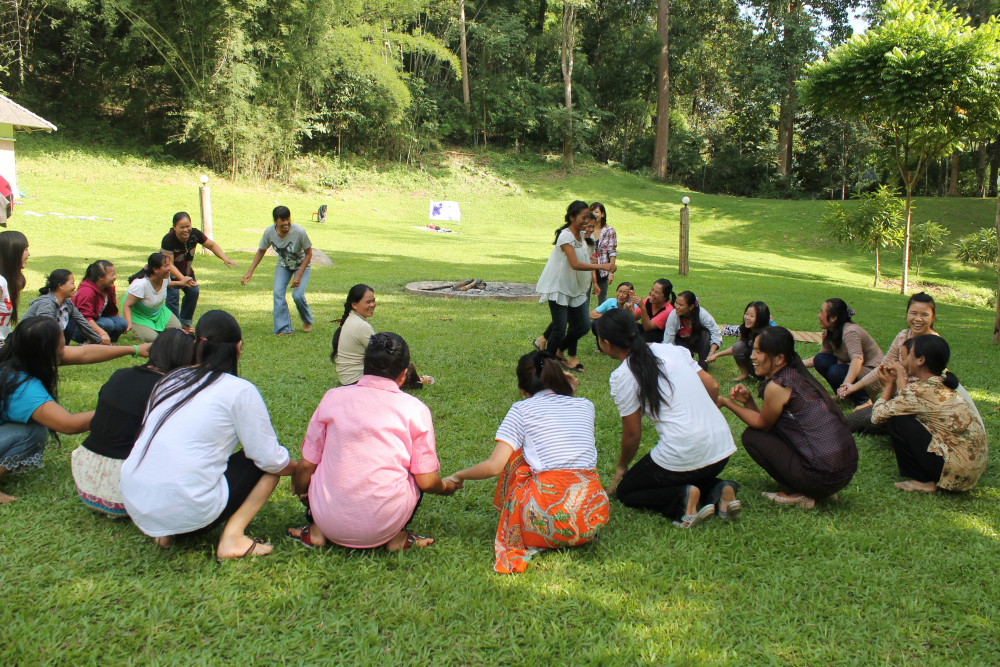
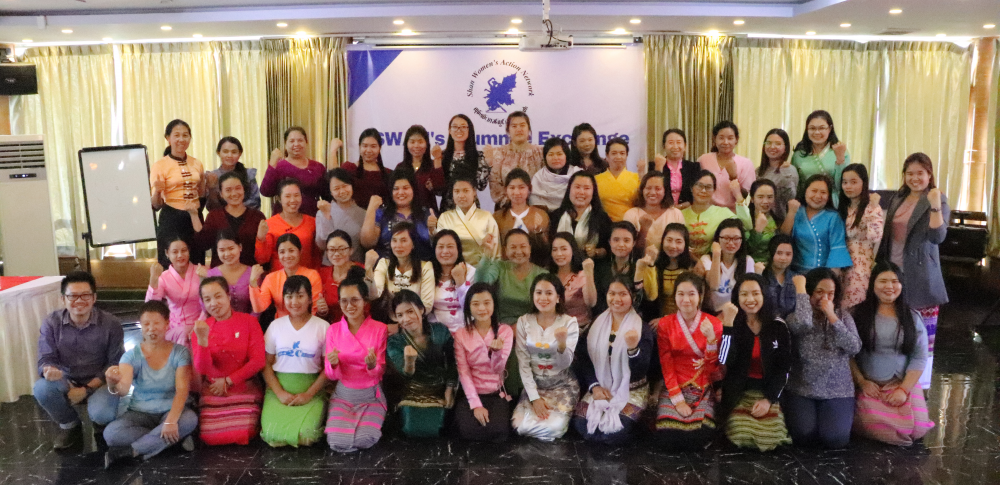
Objectives: Women’s Exchanges are the foundation level of the Women’s Empowerment Program (WEP) activities. These exchanges provide a space and time for women in the community to build confidence by joining together to share their experiences and stories of violence and other gender issues.
Background: From 1999, SWAN members regularly attended Women’s Exchanges in Chiang Mai, originally organized by Migrant Assistance Programme, currently known as MAP Foundation. In 2007, SWAN began running Women’s Exchanges in IDP camps along the border areas of the Thailand and Shan State in Burma. In 2011, SWAN began organising Women’s Exchanges inside Burma.
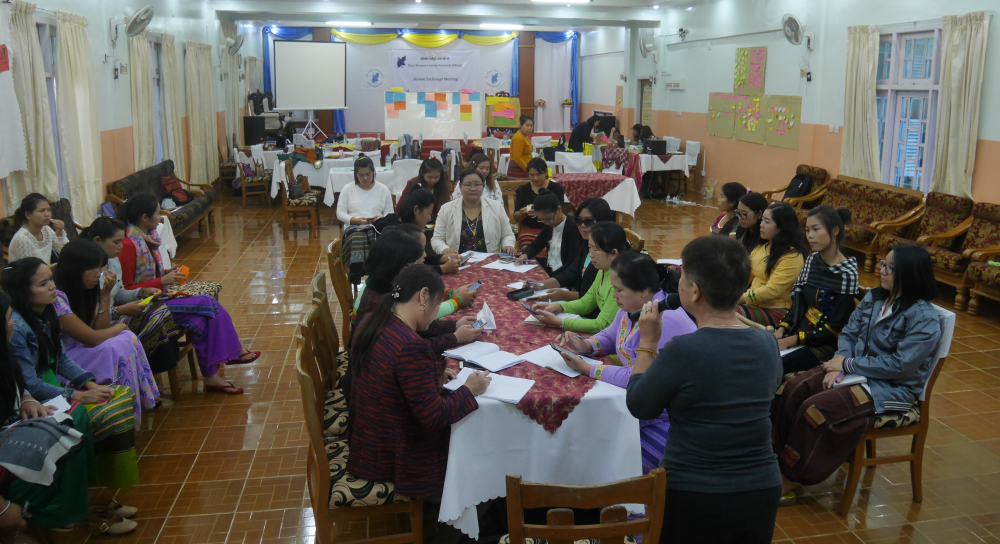
Women’s Exchanges, which are held over one day, are facilitated by focal points in Shan communities in Shan State, Kachin State and Sagaing Region. There are 30 – 35 Exchanges conducted every year with 15- 30 women attending each one.
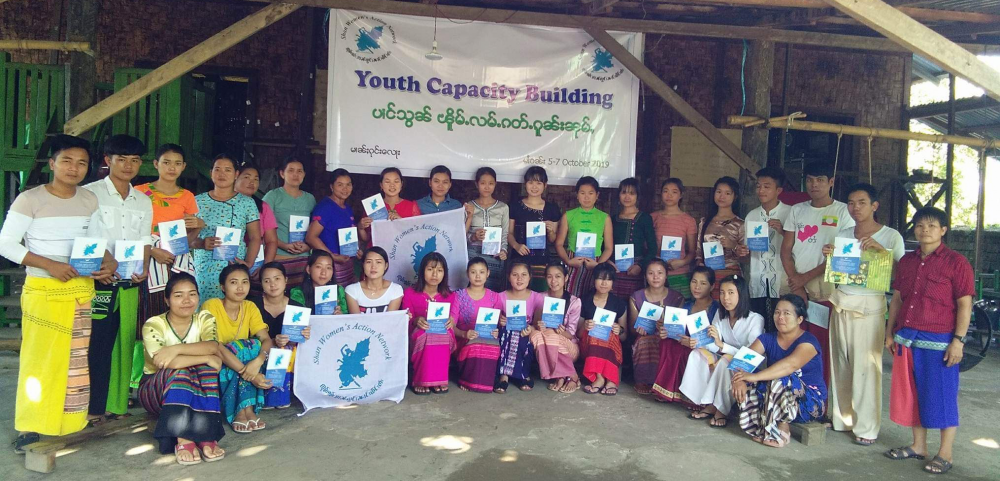
Objectives: The aim of Youth Capacity Building Workshops is to prevent violence against women by providing an attitude and behaviour change intervention targeting young men and women in Shan communities.
Background: The Youth Capacity Building Workshops began in 2018. They were adapted from the previous Women’s Capacity Building Workshops after communities requested the inclusion of young men.
The activity is facilitated by SWAN’s Women’s Empowerment Program team and focal points across a three-day period. There are 15 – 20 workshops conducted every year with 30 – 40 youth attending each workshop. The workshops are implemented in Shan communities in Shan State, Kachin State and Sagaing Region.
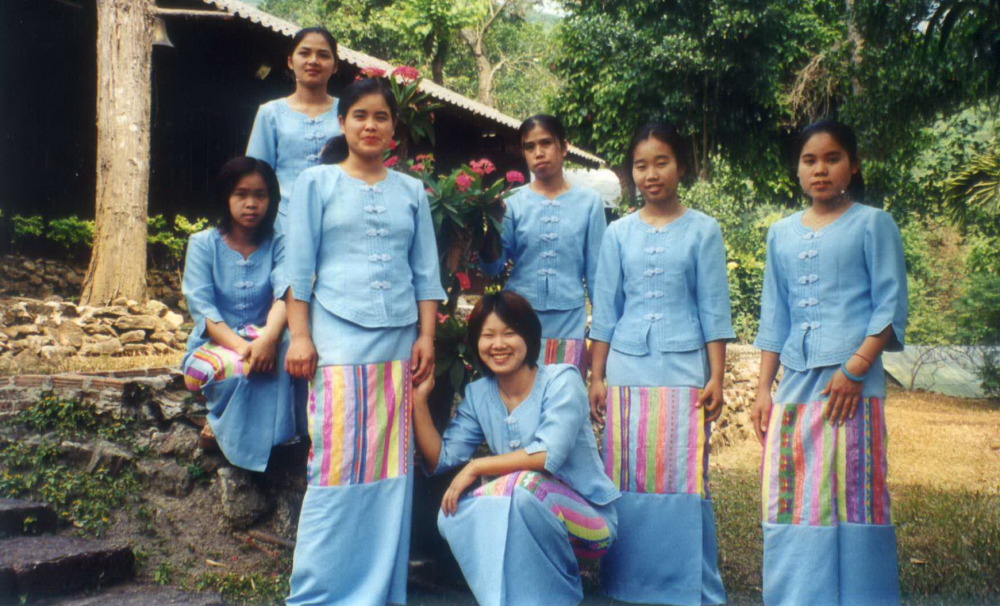
Objectives: The internship program aims to provide young Shan women with the skills and practical workplace learning to be able to take on positions at SWAN and in civil society organizations and to advocate for change in their communities.
Background: SWAN started its internship activity in 1999 with an in-house program for 2 young women from Shan State. In 2003, SWAN extended Internship Program training 6 young women from Shan community for one year in Chiang Mai, and it was run continuously until 2009. From 2014, Taunggyi center has run the internship program. In total, 60 young Shan women successfully completed their internships in Chiang Mai or Taunggyi. After finishing their internship, some became SWAN staff and some worked with a range of other organizations.
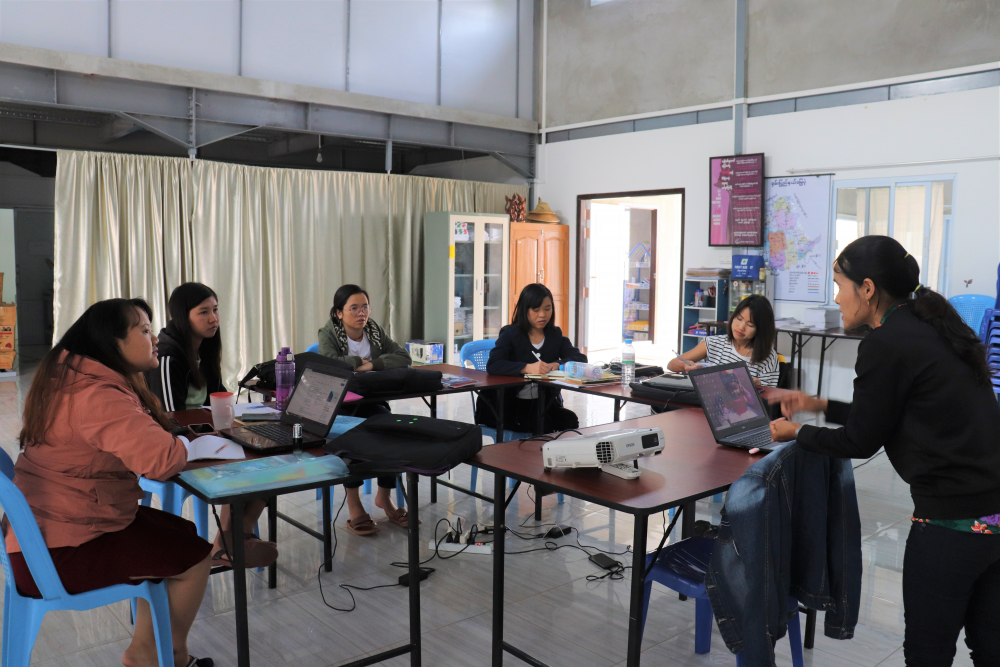
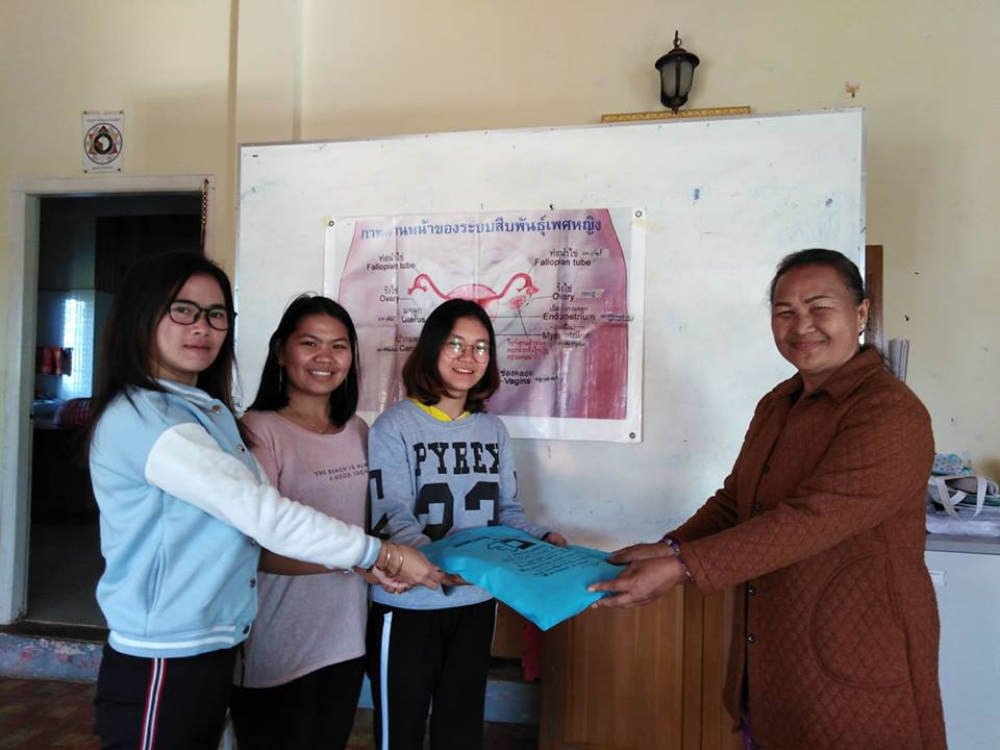
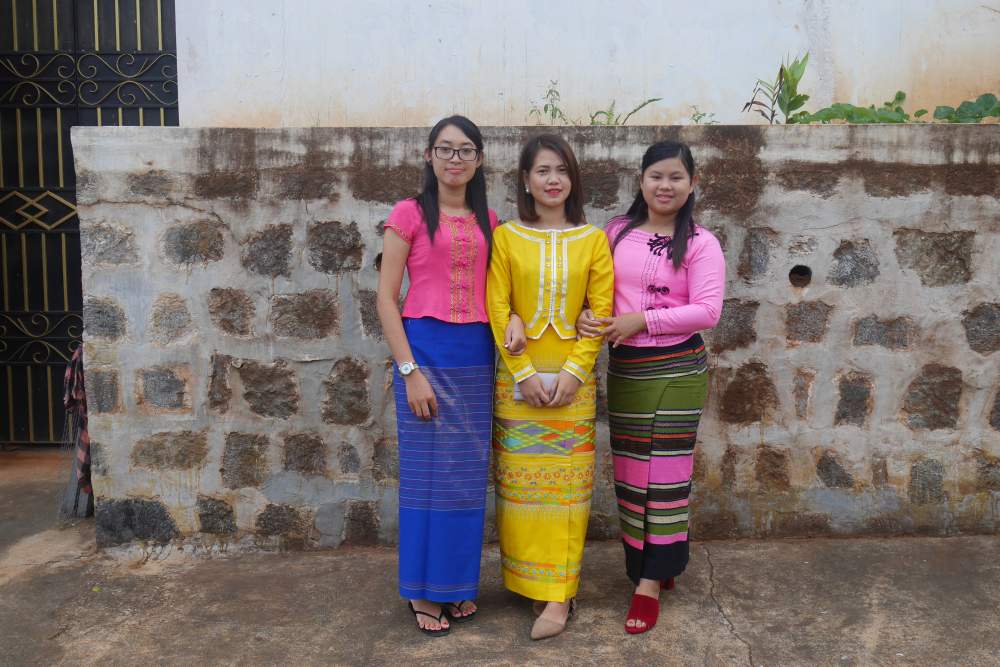
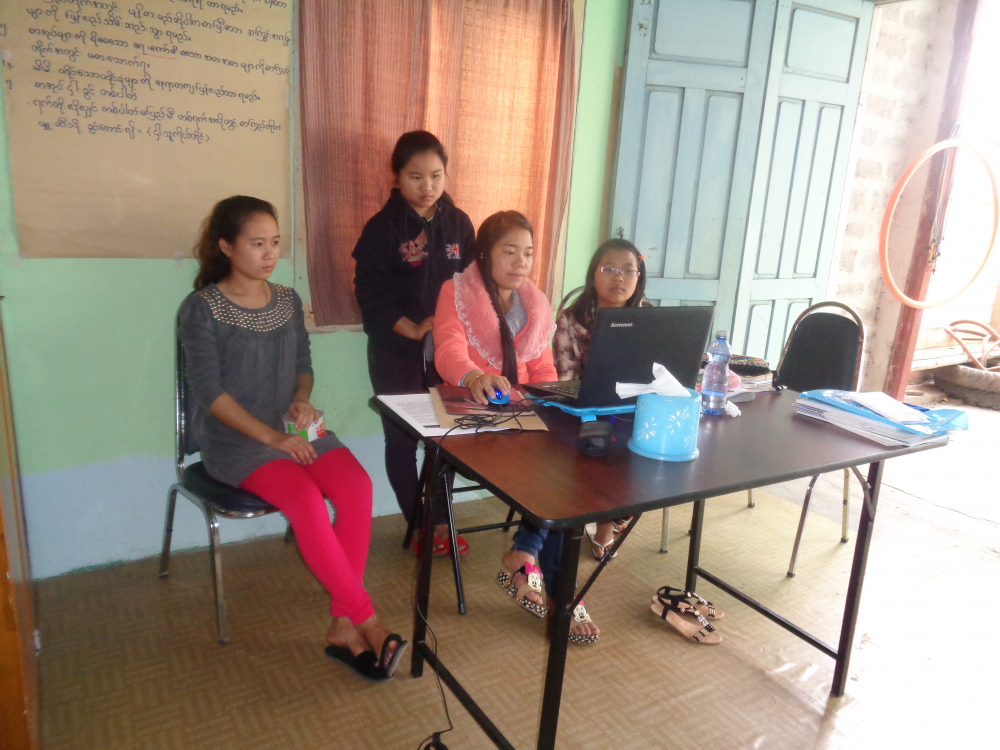
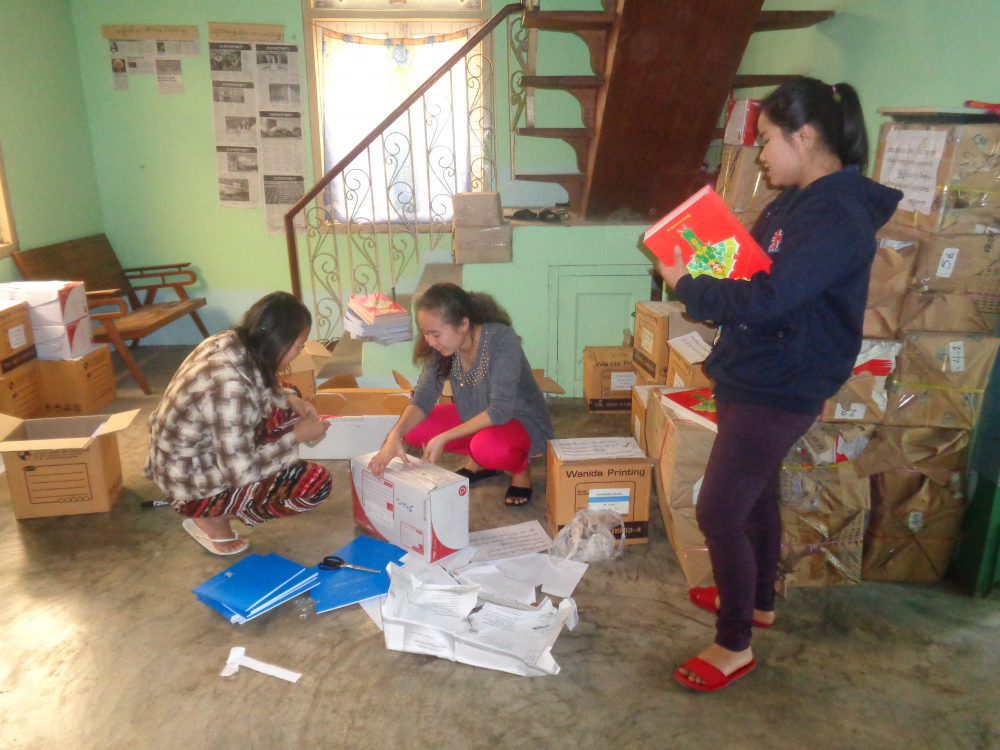

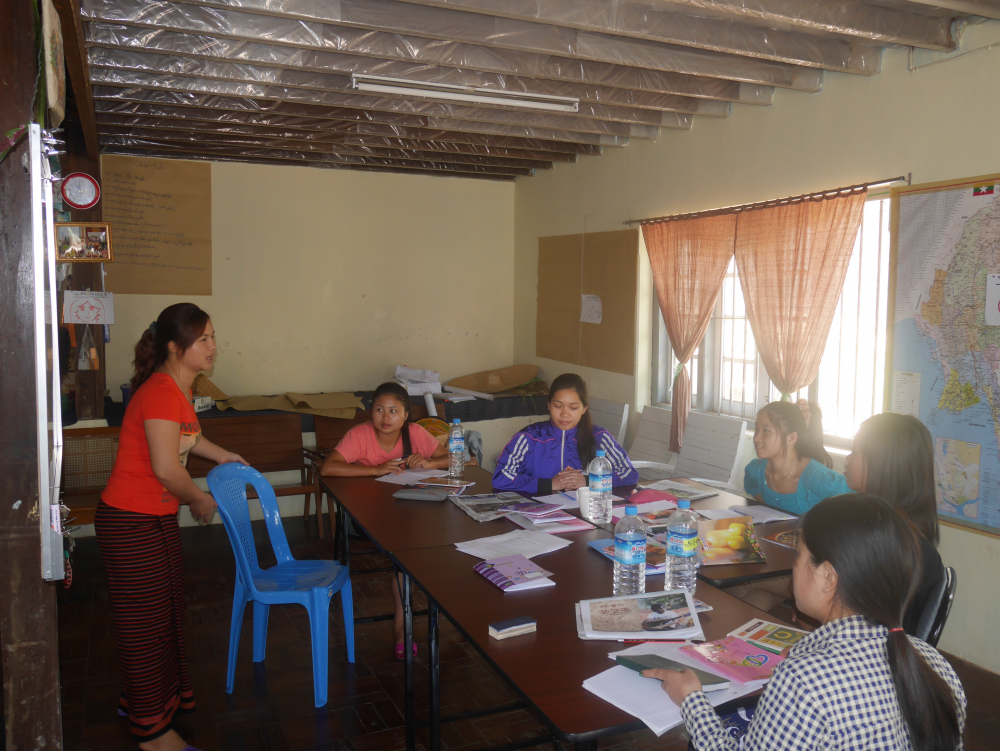
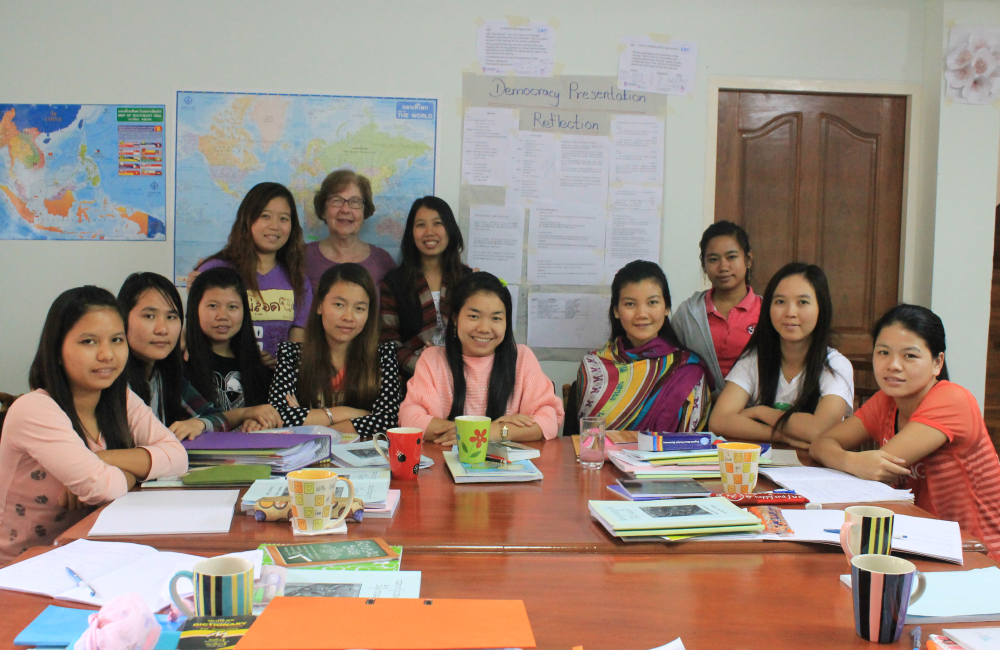
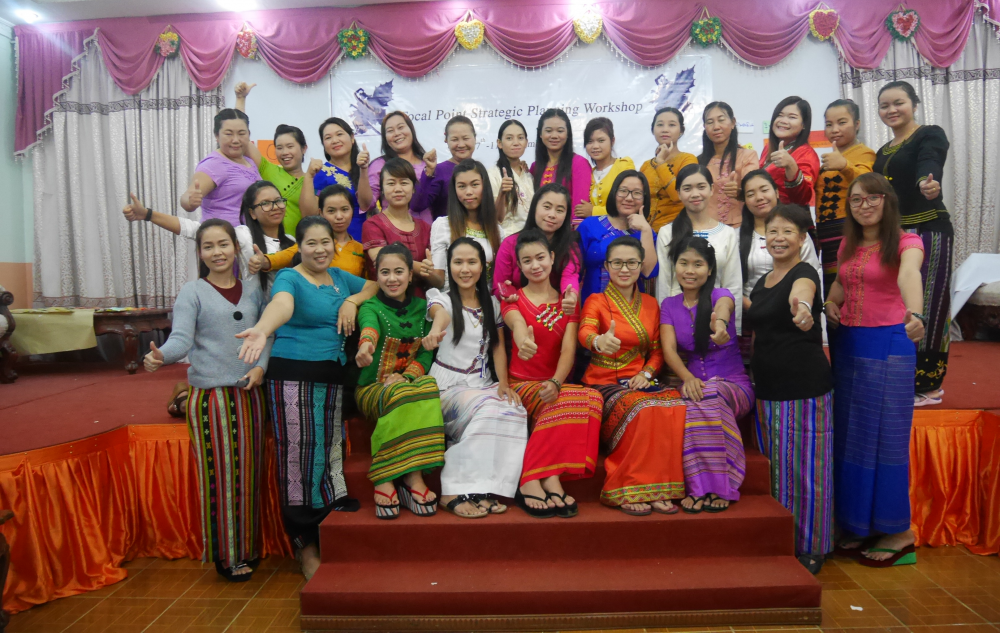
Objectives: Young Women’s Leadership Training aims to strengthen the voice of young Shan women in Burma and train them for positions of leadership. The intention is to reach out and empower marginalized women and open up a dialogue about women’s rights and gender equality in remote Shan communities. This training is mainly for young marginalized women who have less opportunity to continue higher education, to enable them to access political and social training to step into a leadership role.
Background: In response to communities’ requests the first Young Women’s Leadership Training started in 2012 and was conducted as a residential program over an 8-month period. From 2012 to 2014 eighteen trainees from different parts of Shan State and Kachin State completed the training in SWAN’s Chiang Mai Office. In 2016, the first Young Women’s Leadership Training was implemented inside Burma over a period of 6 months.
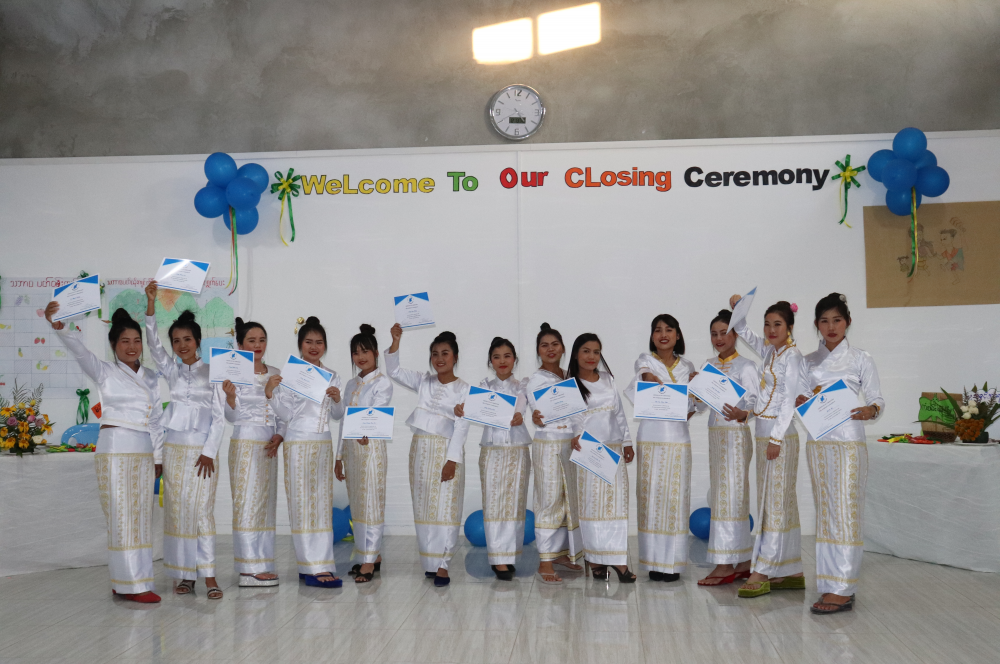
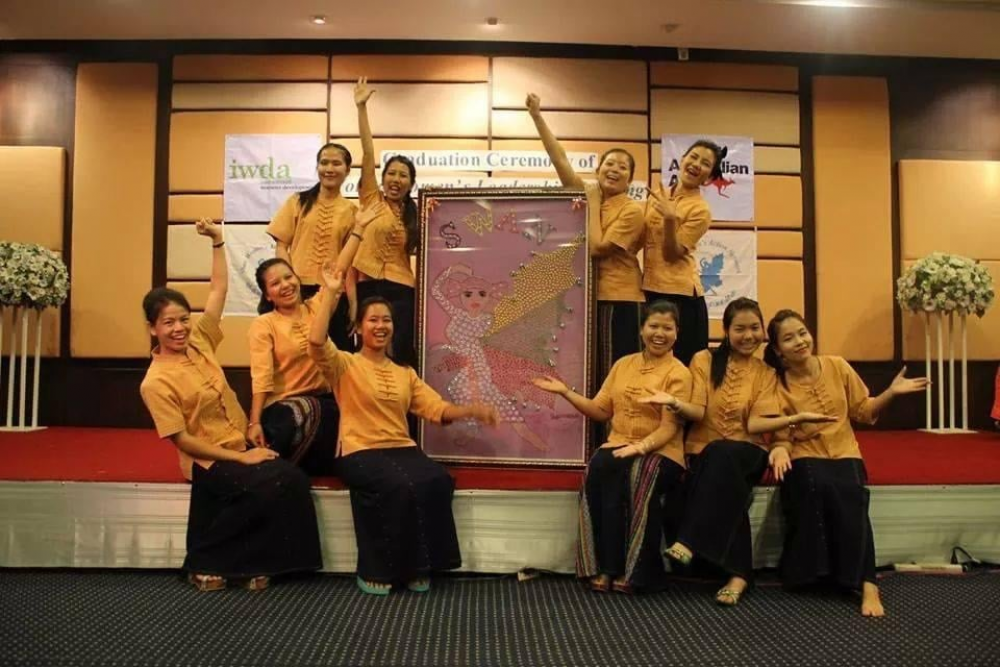
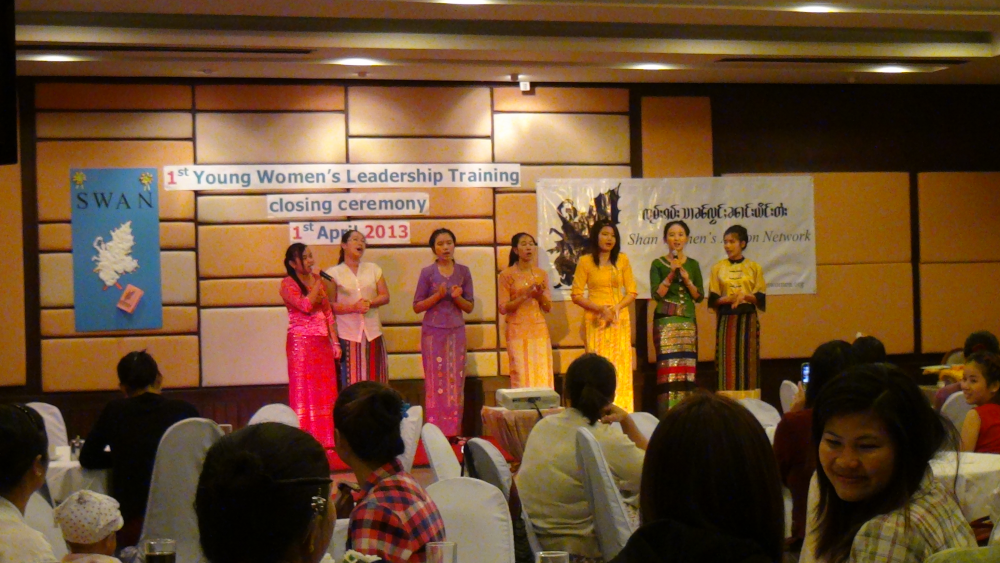
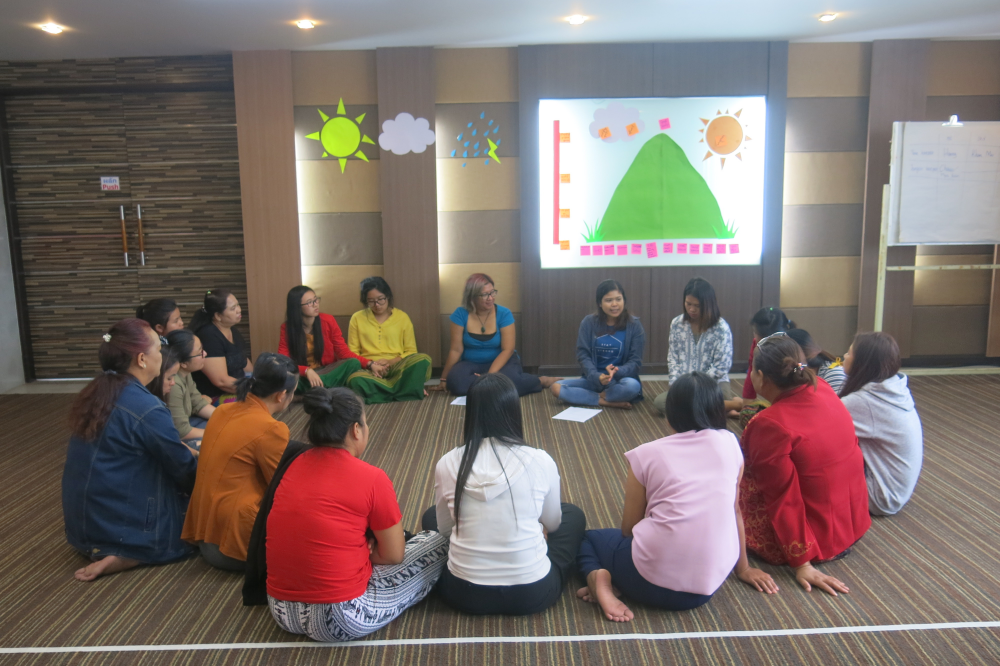
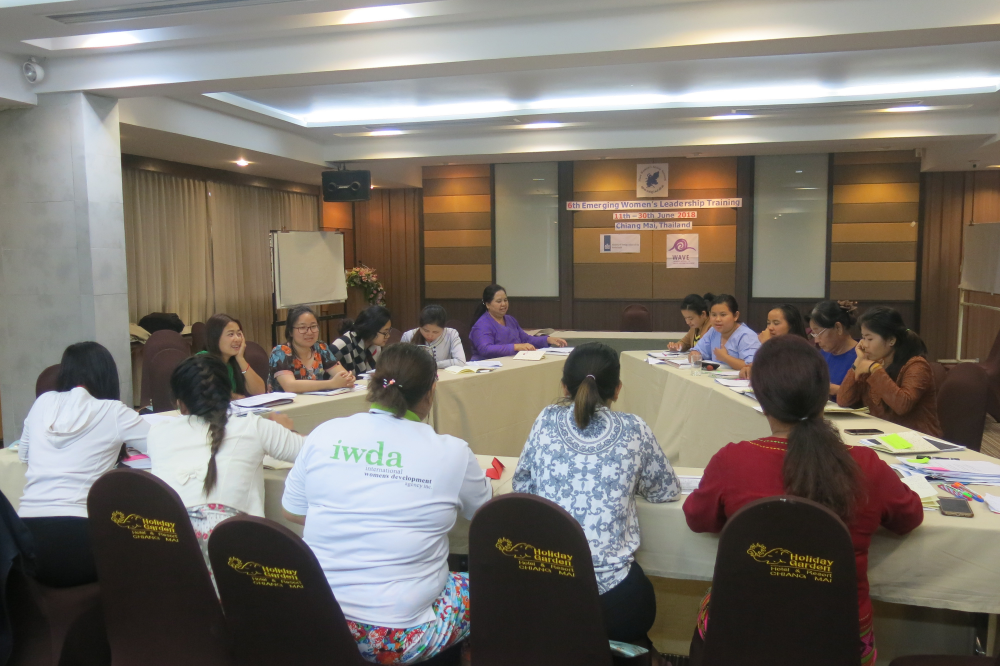
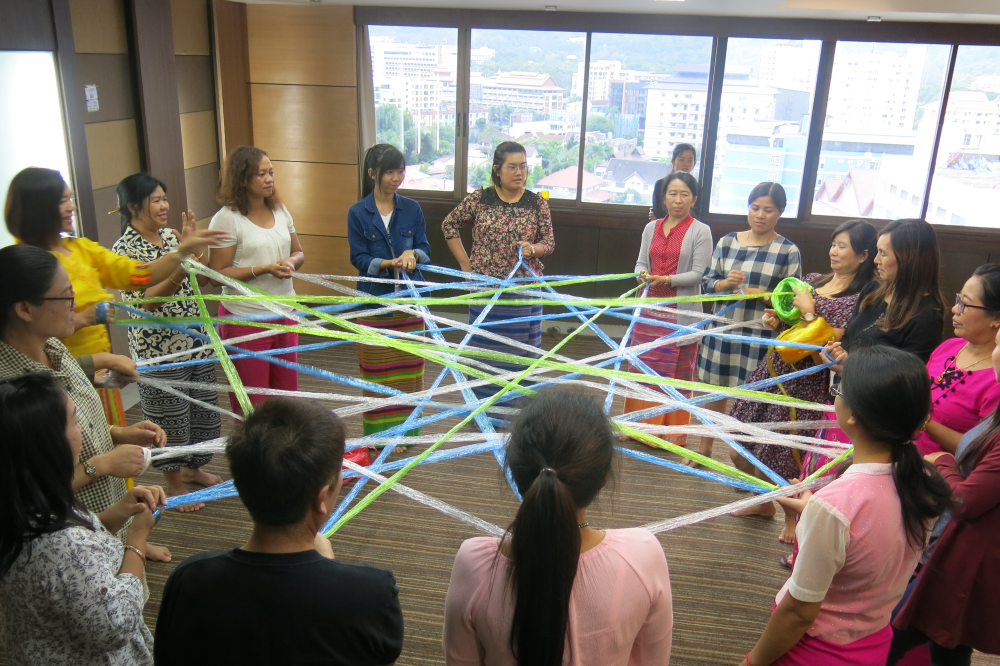
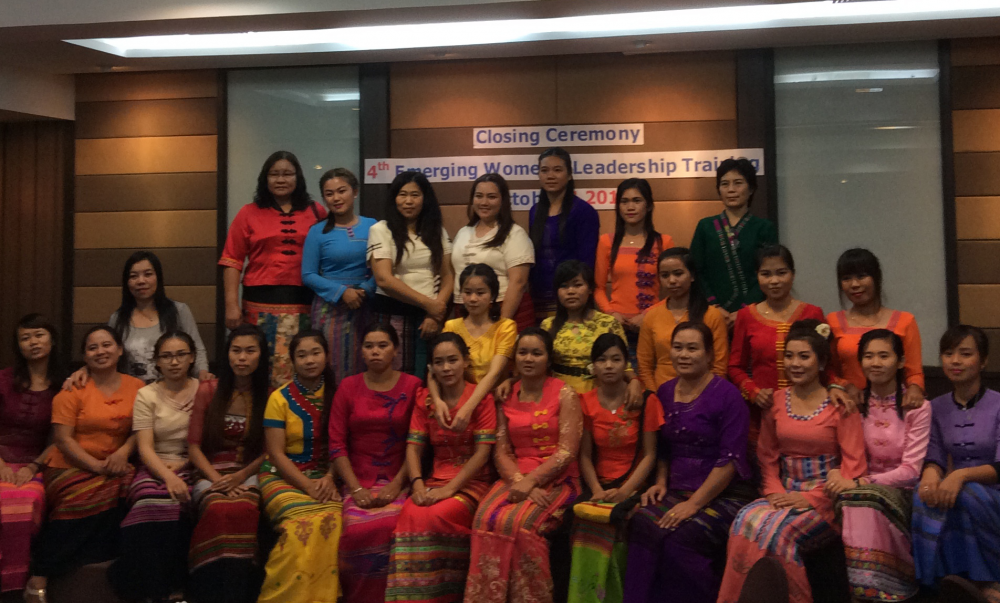
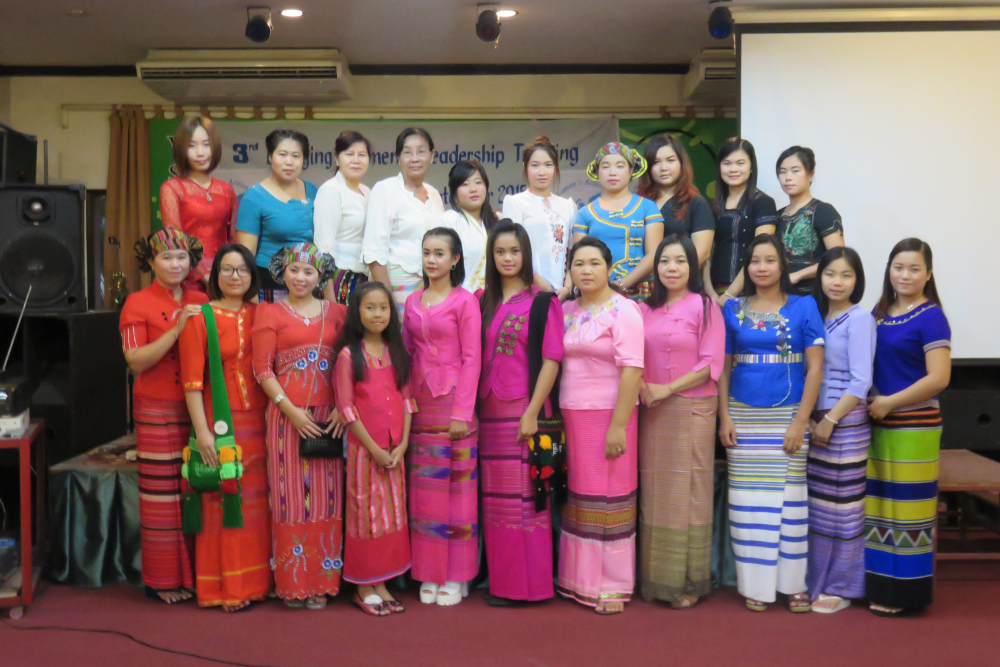
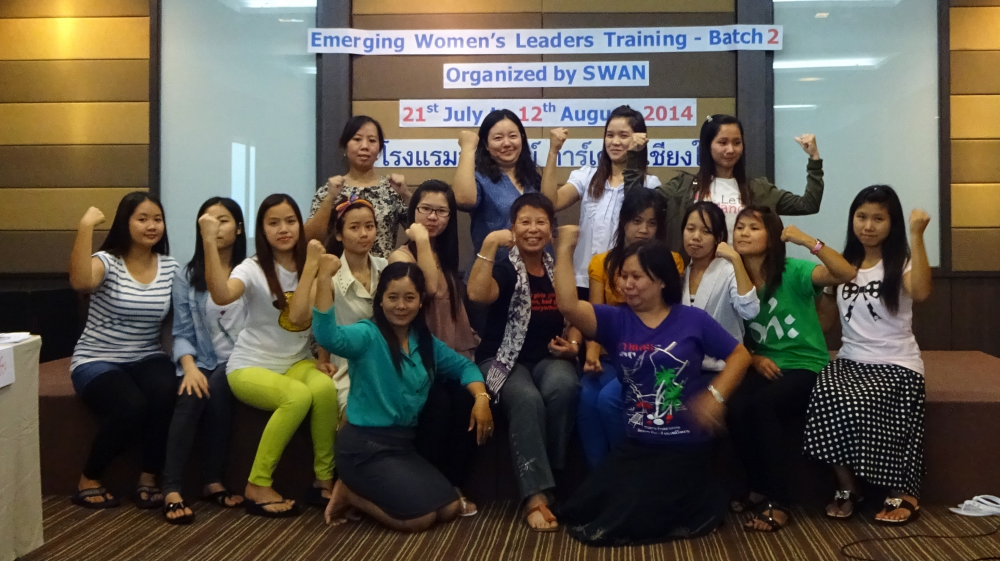
Objectives: The Emerging Women’s Leadership Training aims to increase women’s confidence, skills and knowledge in becoming influential leaders in their chosen leadership positions. The Emerging Women’s Leadership Training provides the participants with a foundation in feminist principles so that when they enter into leadership positions they can operate from a feminist perspective, and better understand and represent women in their communities.
Background: In 2013 the first Emerging Women’s Leadership Training was started with a three-week training program for 16 Shan women. The participants were all actively working in civil society organizations, political parties, and/or as teachers, health workers and other community roles. This training was conducted annually in Chiang Mai until 2018. Starting in 2019 it has been conducted inside Burma. The 2019 training targeted women from 3 political parties -Tai Leng Nationalities Development Party (TNDP), Shan Nationalities League for Democracy (SNLD), and Shan Nationalities Democratic Party (SNDP). In total, from 2013 to 2019, 103 women have completed this training.
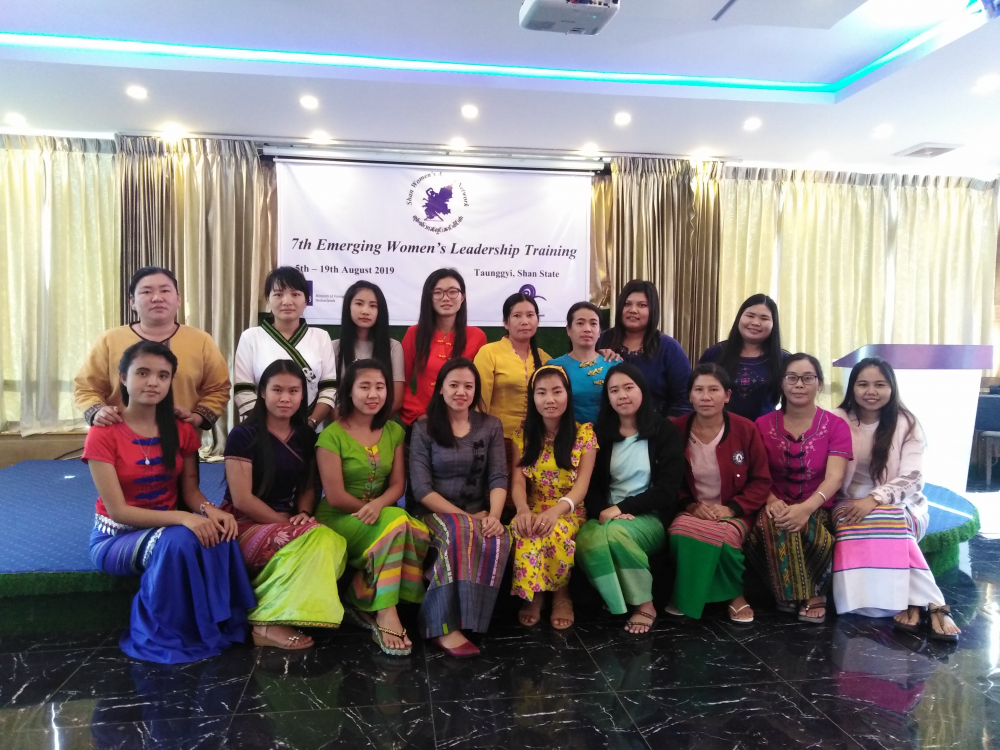
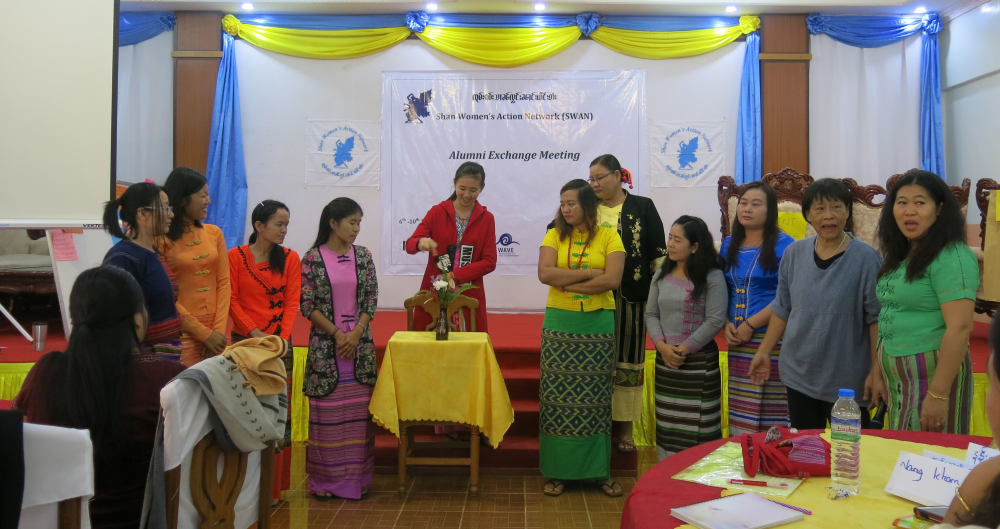
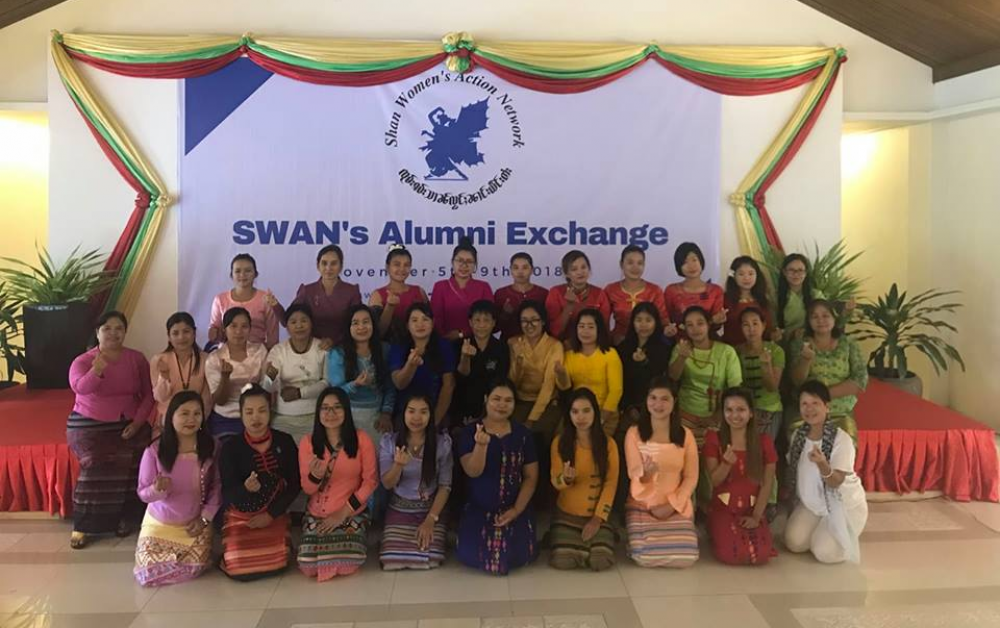
Objective: The Alumnae Exchange aims to unify and strengthen SWAN’s community volunteer team and provide a platform for SWAN alumnae graduated from the Young Women’s Leadership Training, the Emerging Women’s Leadership Training, the Internship Program, and trainings for health workers to exchange strategies and ideas with one another, and build and maintain supportive networks.
Background: From 2014 the Alumnae Exchange meeting has been organized over a five-day period each year to bring together 30- 35 graduates from SWAN’s training programs. Up until the end of 2019, 180 graduates from
There are 20 organizations in Shan State, Kachin State, Karenni/Kayah State, Sagaing and Mandalay regions have attended the Alumnae Exchange.